Futures
These are contracts that obligate the buyer to purchase an underlying asset or the seller to sell an underlying asset at a predetermined price on a specified future date.
Email Id rptgconsultant@gmail.com
Start Trading Journey in RPTG Stock Market Consultant
Support +44 7367581048
The derivative market is a financial market where financial instruments known as derivatives are traded. Derivatives derive their value from an underlying asset, index, or rate, such as stocks, bonds, commodities, currencies, interest rates, or market indices. These instruments are used for various purposes including hedging against risks, speculation, and portfolio diversification.
The Indian derivatives market is a significant component of the country's financial landscape, allowing investors to hedge risk and speculate on the future price movements of various assets. Here are some basics:
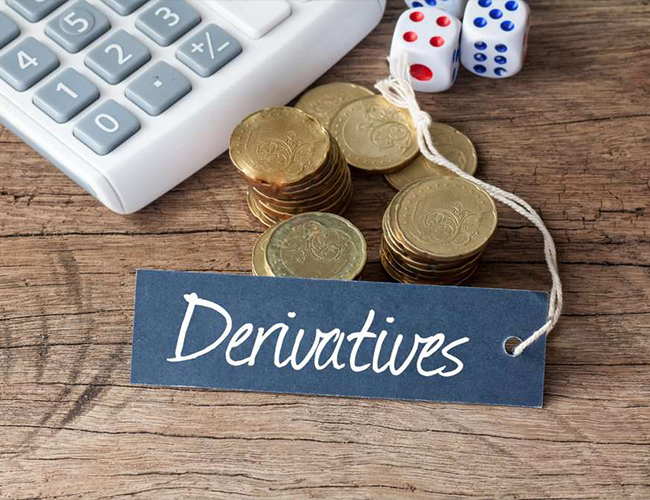
These are contracts that obligate the buyer to purchase an underlying asset or the seller to sell an underlying asset at a predetermined price on a specified future date.
Options give the buyer the right, but not the obligation, to buy (call option) or sell (put option) an underlying asset at a predetermined price within a specified period.
Indian derivative markets offer derivatives based on various underlying assets, including equities, indices, currencies, and commodities.
The Securities and Exchange Board of India (SEBI) regulates the derivatives market in India. It formulates rules and regulations, oversees market activities, and protects the interests of investors.
Derivative contracts in India are traded on two major exchanges
It is the leading exchange for trading equity derivatives in India.
BSE also offers trading in derivatives, including equity, currency, and interest rate derivatives.
The difference between the contract price and the settlement price is settled in cash.
The underlying asset is exchanged upon contract expiration.